How to order wine in a restaurant without bluffing
You don't need to know everything about wine. Know what you want, ask good questions and handle the ritual calmly: here's how, from the list to the first taste.
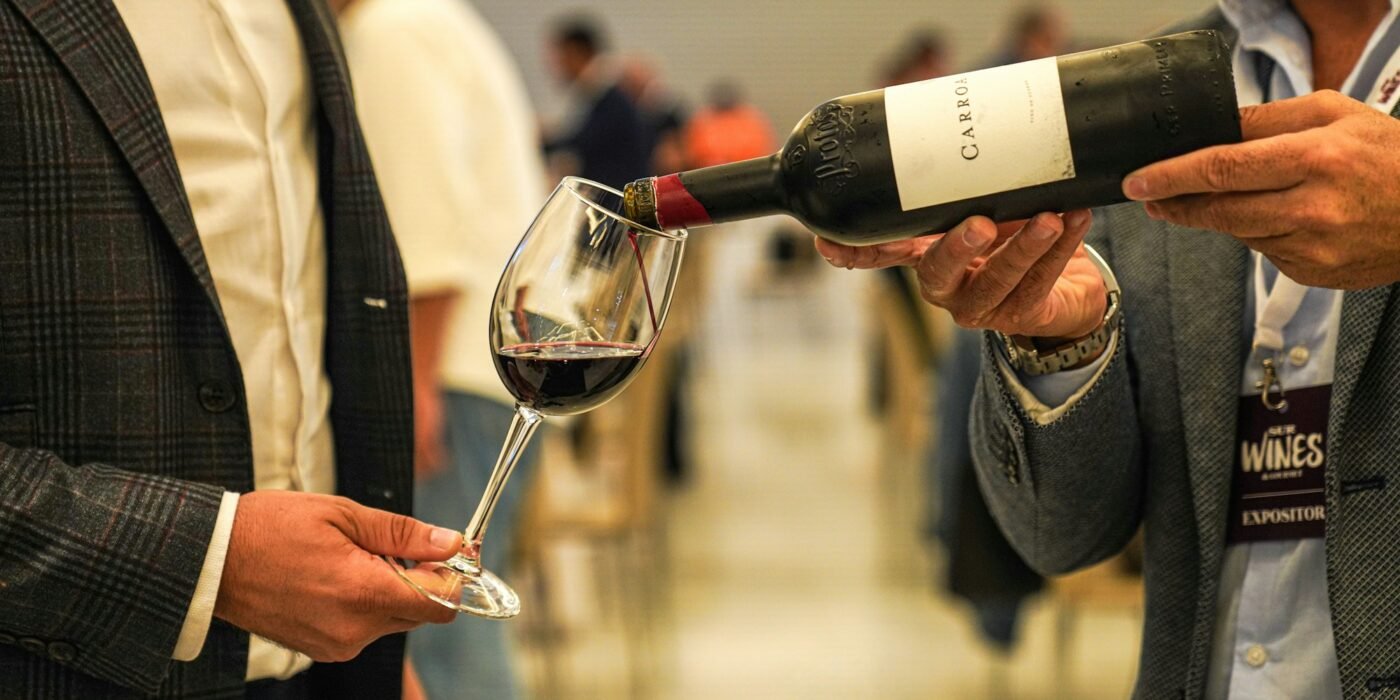
The wine list arrives, the table goes quiet, and someone hands it to you. Most men in that moment either pick the second-cheapest bottle and hope, or name the one region they have heard of and bluff. Neither is necessary. Ordering wine well is not about knowing everything. It is about knowing what you want, asking good questions, and handling the ritual with calm.
Here is how to do it, from reading the list to tasting the bottle, without pretending to be anything you are not.
Decide three things first
Before you open the list, settle three questions. They do most of the work.
- What is everyone eating? Ask the table before you choose. Fish and a steak at the same table changes the answer.
- Red, white, or one of each? For a group with mixed dishes, a bottle of each, or a versatile red or white that suits both, is often the answer.
- What are you comfortable spending? Have a number in mind. It makes the next step easy.
Ask, and ask well
The most confident thing you can do is ask the sommelier, or whoever looks after the wine. They know the list better than anyone, they have tasted it, and helping you is their job. Asking is not weakness; bluffing is.
Give them three things: what you are eating, what you usually like (“something dry and crisp”, “a red that’s not too heavy”), and your budget. To mention the budget discreetly, point to a price on the list and say, “We were thinking of something around here.” Any good sommelier understands, and nobody else at the table needs to know.
If there is no sommelier, the same questions work with your waiter. “What are you drinking at the moment?” or “What’s the bottle you’d recommend at this price?” often gets you the best wine on the list.
Asking is not weakness. Bluffing is.
Reading the list
Lists are usually arranged by colour and then by country or region, sometimes by style (“light and fresh”, “rich and full”). Each entry tends to give the producer, the wine or grape, the region and the vintage, which is the year the grapes were picked.
You don’t need to recognise the producers. Look for the style, then for value. A few reliable ways to drink well without paying for a famous name:
| If you like | Try |
|---|---|
| Champagne | Crémant, France’s traditional-method sparkling wine from outside Champagne |
| Sancerre | Sauvignon Blanc from elsewhere in the Loire, such as Touraine |
| Red Burgundy | A Beaujolais cru such as Fleurie or Morgon |
| Barolo | Langhe Nebbiolo, from the same grape and region |
| White Burgundy | Chardonnay from the Mâconnais |
Restaurants know about the “second-cheapest bottle” habit, so it is rarely the bargain people think. You will usually do better choosing a wine you are curious about at a price you are happy with, and asking about it.
The ritual, step by step
Once you have ordered, there is a small ceremony. It exists for one reason: to check the bottle is right and the wine is sound. Here is what to do at each step.
- The bottle is shown to you. Check the label: is it the wine and the vintage you ordered? A nod is enough.
- It is opened. You may be handed the cork. There is no need to sniff it; just glance that it looks sound and put it down.
- A small amount is poured for you to taste. Swirl, smell, sip. You are checking for faults, not deciding whether you love it.
- You say it’s fine. “That’s lovely, thank you.” The wine is then poured for your guests, and for you last.
When to send a bottle back
Send a bottle back if it is faulty, not because it isn’t to your taste. The most common fault is cork taint, when a wine is “corked”: it smells musty, like damp cardboard or a wet cellar, and tastes flat. Other faults include a wine that tastes stale, flat or sherry-like when it shouldn’t, because it has been exposed to air or stored too warm.
If you are unsure, say so simply: “I think there might be something wrong with this, could you taste it?” A good sommelier will check and replace a faulty bottle without fuss. If the wine is sound but you simply don’t like it, that was the moment to ask more questions before ordering; some restaurants will still help, but you shouldn’t expect it.
Small things that make a difference
- Temperature. Reds are often served too warm and whites too cold. It is perfectly fine to ask for a red to go in an ice bucket for a few minutes, or for a white to come out of one.
- Pouring. Let the staff pour if they are attentive. If they are not, top up your guests’ glasses before your own, and don’t fill glasses more than about a third: wine needs room.
- By the glass or carafe. If people want different things, or you only want a glass or two, wine by the glass or a carafe is a perfectly good choice.
- Bringing your own. Some restaurants allow you to bring a bottle for a corkage fee. Ask when you book, never on arrival, and don’t bring a wine that is already on their list.
Pairing, simply
Forget the rulebook and remember two ideas. First, match weight with weight: delicate food with lighter wine, rich food with fuller wine. Second, think about what grows together: the wine of a region usually suits its food. Beyond that, drink what you enjoy with what you are eating. Nobody has ever been asked to leave a restaurant for ordering red with fish.
Questions people ask
Who should taste the wine?
Whoever ordered it, usually the host. If someone at the table knows more about wine than you, it is gracious to ask them to taste it instead.
Is it rude to order the cheapest wine?
No. Order what suits the evening and your budget. What matters is choosing with confidence, not the price.
How many bottles should I order for a table?
A standard 75cl bottle pours about five or six glasses. Start with one bottle for every two or three drinkers and order more as the evening needs it, rather than ordering everything at once.
Hosting at home instead? Read our guide to the twelve bottles every home bar needs.
How we wrote this: this guide reflects standard restaurant wine service. Customs differ between countries and restaurants, so if in doubt, ask. Please drink responsibly.